Have you ever sat in the dentist’s chair, mouth wide open under that bright light, wondering if they’re just checking for cavities? It turns out, your mouth is like a crystal ball for your overall health. A routine dental exam can uncover clues about systemic issues that might otherwise go unnoticed until they become serious problems. From the color of your gums to the wear on your teeth, dentist in newtown pa, are trained to spot signs of everything from nutritional deficiencies to chronic diseases. This isn’t just about preventing tooth decay—it’s about catching health red flags early to improve your quality of life.
Think about it: your mouth is the entry point to your digestive and respiratory systems, and it’s teeming with bacteria that can influence the rest of your body. Poor oral health has been linked to heart disease, diabetes, and even certain cancers. According to research, over 90% of systemic diseases show oral symptoms, making your dentist in spokane wa a frontline detective in your health journey. Ignoring these signs could mean missing out on early interventions that save time, money, and potentially lives.
In this blog, we’ll dive deep into how specific oral features can signal broader health concerns. We’ll cover gum health, tooth erosion, jaw alignment, oral lesions, bone density, and dry mouth symptoms. Each section includes practical, actionable tips to help you take control at home while knowing when to seek professional help. By the end, you’ll see your next dental visit not as a chore, but as a vital health checkup. Let’s explore how your smile reveals more than you think.
Recognizing Early Warning Signs Through Gum Inspections
Your gums are more than just a frame for your teeth—they’re a barometer for inflammation throughout your body. During a checkup, a dentist examines the color, texture, and health of your gums, looking for redness, swelling, or bleeding that could point to gingivitis or periodontitis. These conditions aren’t isolated; they’re often tied to systemic issues like cardiovascular disease, where oral bacteria enter the bloodstream and contribute to plaque buildup in arteries. Immune disorders, such as rheumatoid arthritis or lupus, can also manifest as gum inflammation due to an overactive immune response attacking healthy tissues.
Chronic gum problems might indicate diabetes, as high blood sugar levels impair healing and make infections more likely. Studies show that people with periodontitis are at a higher risk for heart attacks and strokes, underscoring the mouth-body connection. A cosmetic dentist in newtown pa, who specializes in enhancing smiles, can also address how these issues affect appearance, like receding gums that make teeth look longer. Regular visits to your cosmetic dentist in schaumburg ensure these signs are caught early, potentially averting more severe health complications.
Beyond the chair, you can play a proactive role in monitoring and maintaining gum health to reduce inflammation and support overall wellness.
How to Monitor Gum Color and Texture at Home for Inflammation Reduction
Start by incorporating a weekly self-check into your routine. Stand in front of a well-lit mirror and gently pull back your lips to inspect your gums. Healthy gums should be firm, pink, and stippled like orange peel. If they’re red, shiny, or swollen, it could signal inflammation—note any changes and track them in a journal. To reduce this at home, rinse with a saltwater solution (1 teaspoon salt in warm water) twice daily; the saline draws out fluids and soothes irritated tissues.
Incorporate anti-inflammatory foods like leafy greens, berries, and fatty fish rich in omega-3s, which combat body-wide inflammation. Avoid tobacco and limit alcohol, as they exacerbate gum issues. If you notice persistent changes, consult your dentist promptly—they might recommend a deep cleaning or further tests to rule out underlying conditions.
Steps to Improve Daily Brushing Techniques to Avoid Bleeding Gums
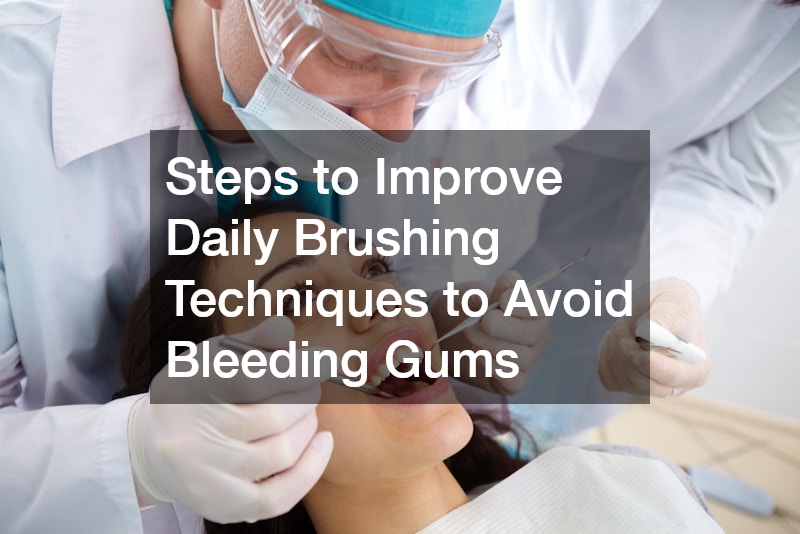
Bleeding gums during brushing often stem from plaque buildup, but improving technique can prevent this and lower inflammation risks. Use a soft-bristled toothbrush and hold it at a 45-degree angle to your gums. Brush in gentle, circular motions for two minutes twice a day, covering all surfaces without scrubbing hard—aggressive brushing irritates gums further.
Switch to an electric toothbrush if manual ones cause issues; they often have pressure sensors to guide you. Floss daily with a water flosser for gentler cleaning, especially if traditional floss causes bleeding. After brushing, use an antimicrobial mouthwash to kill bacteria. If bleeding persists after a week of improved habits, see your cosmetic dentist in schaumburg—they can assess for deeper problems and suggest personalized tools.
Interpreting Tooth Erosion and Its Links to Dietary Habits
Tooth erosion, where enamel wears away, isn’t just a cosmetic issue—it can reveal habits or conditions affecting your whole body. Dentists spot patterns like thinning enamel or sensitivity, which might indicate acid reflux (GERD), where stomach acid regurgitates into the mouth, dissolving tooth surfaces. Eating disorders like bulimia involve frequent vomiting, exposing teeth to acids and causing similar erosion. Nutritional deficiencies, such as low calcium or vitamin D, weaken enamel, making it prone to wear.
The science is clear: acids from sodas, citrus, or even wine lower mouth pH, stripping minerals from teeth over time. This erosion can lead to increased decay risk and sensitivity, but it also signals dietary imbalances that affect bone health or digestion. A dentist might notice these signs during an exam and recommend interventions, including dental crowns in redmond wa in cases where restoration is needed to protect and rebuild damaged teeth.
Empowering yourself with dietary adjustments and protective routines can halt erosion and support enamel health.
Adjusting Meal Choices to Minimize Acid Exposure on Enamel
Revamp your diet by spacing out acidic foods—eat citrus or tomatoes with meals rather than snacking, and rinse with water afterward to neutralize acids. Opt for alkaline options like dairy, nuts, and vegetables to balance pH. Limit sugary drinks; choose water or milk instead.
Track your intake for a week to identify triggers, then gradually replace them. If acid reflux is suspected, elevate your head while sleeping and avoid late-night eating. Consult a doctor if symptoms persist, as managing GERD protects both teeth and esophagus.
Incorporating Protective Rinses into Your Routine for Enamel Strengthening
Add a fluoride rinse after brushing nightly; swish for 30 seconds to remineralize enamel. Choose alcohol-free versions to avoid dryness. For extra protection, use a baking soda rinse (1/2 teaspoon in water) weekly to buffer acids.
If sensitivity is an issue, apply desensitizing toothpaste directly to affected areas before bed. Consistency is key—make this a habit post-meals. Your dentist can advise on prescription-strength options if over-the-counter isn’t enough.
Assessing Jaw Alignment for Stress-Related Indicators

Jaw alignment tells a tale of tension in your life. Dentists check for misaligned bites, worn enamel, or chipped teeth, which often stem from bruxism (teeth grinding) linked to stress or anxiety. This can cause headaches, TMJ disorders, and even signal sleep apnea, where obstructed airways lead to grinding. Elevated cortisol from chronic stress exacerbates these issues, wearing down teeth and straining jaw muscles.
Research links poor alignment to broader problems like migraines and poor sleep quality. Options like Invisalign in san antonio tx can correct misalignments, reducing stress on the jaw and improving overall function. A dentist evaluates these during exams, potentially referring you to specialists for sleep studies.
Take charge by addressing stress and monitoring habits to prevent escalation.
Practicing Relaxation Exercises to Reduce Nighttime Teeth Grinding
Incorporate deep breathing: Inhale for four counts, hold for four, exhale for four, repeat before bed. Try progressive muscle relaxation, tensing and releasing jaw muscles.
Use a warm compress on your jaw for 10 minutes nightly to ease tension. Avoid caffeine after noon, as it heightens anxiety. If grinding continues, a dentist-fitted night guard provides protection.
Tracking Sleep Patterns to Identify Bruxism Triggers Early
Keep a sleep diary noting bedtime, wake times, and any jaw soreness upon waking. Use apps to monitor sleep cycles and detect grinding sounds.
Identify triggers like alcohol or screen time; limit them two hours before bed. Aim for 7-9 hours of sleep nightly. If patterns suggest apnea, discuss with your dentist for further evaluation.
Examining Oral Lesions for Serious Disease Detection
Oral lesions—spots, sores, or growths—can be harbingers of grave concerns. Dentists screen for white patches (leukoplakia), red areas, or ulcers that might indicate oral cancer, especially in tobacco users. Autoimmune diseases like lupus cause similar lesions due to immune attacks on mouth tissues. Biopsies confirm diagnoses, with risk factors including HPV, alcohol, and sun exposure for lip cancers.
Early detection boosts survival rates dramatically—regular screenings are crucial. Invisalign san antonio tx treatments may need pausing if lesions affect alignment devices. Your dentist performs thorough checks, advising on biopsies if needed.
Stay vigilant with self-exams and timely follow-ups.
Conducting Regular Self-Exams to Spot Unusual Spots or Sores
Monthly, use a flashlight to inspect your lips, cheeks, tongue, and palate for changes in color, texture, or lumps. Feel for swelling in your neck.
If you find anything persistent beyond two weeks, photograph it for tracking. Avoid irritants like spicy foods during exams. Report findings to your dentist immediately.
Scheduling Prompt Follow-Ups for Persistent Mouth Changes
Set reminders for bi-annual dental visits, but book earlier if changes last over 14 days. Prepare by listing symptoms and history.
Follow post-exam advice, like quitting smoking to reduce risks. Early intervention can prevent progression to serious diseases.
Evaluating Bone Density Via Dental X-Rays
Dental X-rays reveal more than cavities—they show jawbone density, where loss might indicate osteoporosis, especially in postmenopausal women due to estrogen drops. Hormonal imbalances or vitamin D deficiencies accelerate this, linking oral to skeletal health. Cysts or infections in bone also appear, signaling potential spread.
Menopause heightens risks, but lifestyle factors play a role. Dental implants in tacoma offer solutions for severe loss, restoring function after bone assessments by a dentist.
Bolster bone health through diet and exercise.
Boosting Calcium Intake Through Diet for Stronger Jaw Support
Aim for 1,200mg daily from dairy, fortified plant milks, or leafy greens. Pair with vitamin D sources like salmon or sunlight for absorption.
Supplement if needed, but consult a doctor. Track intake via apps to ensure consistency, supporting jaw and overall bone strength.
Engaging in Weight-Bearing Exercises to Enhance Overall Bone Health
Incorporate walking, jogging, or resistance training 30 minutes daily, three times weekly. Use bodyweight exercises like squats for accessibility.
Start slow if new to exercise, building to prevent fractures. Combine with balance work to reduce fall risks, aiding long-term bone density.
Identifying Dry Mouth Symptoms and Their Broader Implications
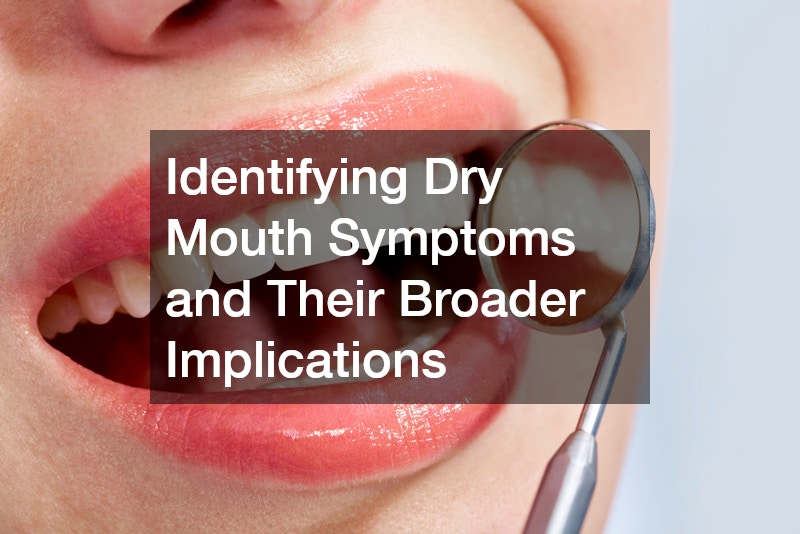
Dry mouth, or xerostomia, isn’t mere discomfort—it’s a clue to issues like diabetes, where high glucose reduces saliva flow. Medications (antihistamines, antidepressants) or Sjogren’s syndrome, an autoimmune disorder, also cause it. Saliva protects against decay; its absence heightens risks.
Dehydration cascades to digestion problems, as saliva aids swallowing. A dentist in spokane wa can prescribe saliva substitutes, considering dental crowns in decay-prone areas.
Combat dryness naturally with habits and choices.
Increasing Hydration Habits to Combat Saliva Reduction Naturally
Sip water throughout the day, aiming for 8-10 glasses. Use a humidifier at night to moisten air.
Chew sugar-free gum to stimulate flow. Avoid caffeine and alcohol, which dehydrate. Track hydration to maintain consistent moisture.
Choosing Sugar-Free Alternatives to Stimulate Saliva Production
Opt for xylitol gum or lozenges, which boost saliva without sugar. Snack on celery or apples for natural stimulation.
Avoid acidic candies that worsen dryness. Experiment to find preferences, incorporating them post-meals for protection.
Wrapping It Up: Empower Your Health Through Oral Awareness
We’ve journeyed through the mouth’s revelations—from inflamed gums hinting at heart risks to dry mouth signaling diabetes. Key takeaways: gums link to inflammation and immunity; erosion ties to diet and reflux; jaw issues reflect stress and sleep; lesions warn of cancer or autoimmunity; bone loss points to osteoporosis; dryness reveals metabolic or autoimmune concerns. Regular dental visits are your gateway to early detection, potentially averting major health crises.
View your mouth as a health ally. Implement the tips: self-exams, better brushing, dietary tweaks, relaxation, hydration, and exercise. These small steps foster big changes. Schedule that overdue appointment—it’s an investment in holistic wellness. Your smile isn’t just for photos; it’s a mirror to your vitality. Stay proactive, and let your oral health guide you to a healthier you.