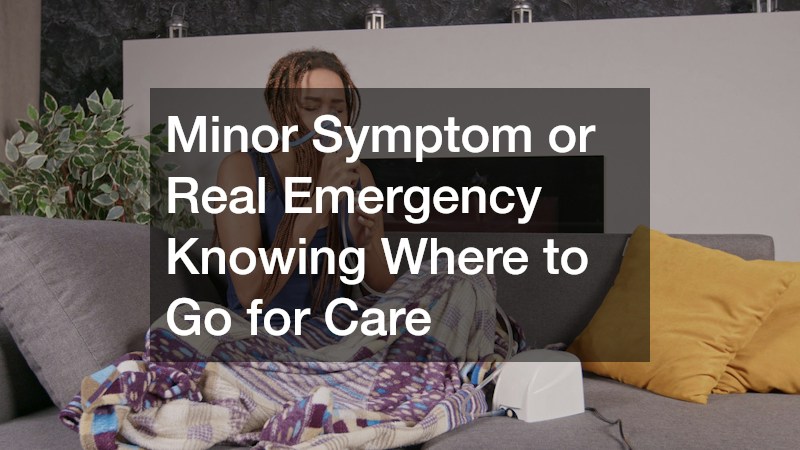
A sudden fever, a nasty cut, or a chest pain at 10pm can send anyone’s mind racing to the worst-case scenario. But rushing to the emergency room for every ache and symptom isn’t just costly, it can also mean waiting hours behind patients with truly life-threatening conditions. Learning to recognize the difference between a minor issue and a real emergency helps you get faster, more appropriate care while saving your time, money, and peace of mind. This guide breaks down exactly where to turn based on what your body is telling you.
Recognize the Warning Signs of a True Emergency
Some symptoms are universally accepted as medical emergencies that require immediate attention at a hospital emergency department or a call to emergency services. These are situations where minutes matter and delaying care can result in permanent damage or death. Doctors often refer to this as a narrow treatment window — for conditions like stroke or heart attack, outcomes can depend on whether care begins within the first hour or two. Common red-flag symptoms include chest pain or pressure, difficulty breathing, sudden numbness or weakness on one side of the body, slurred speech, severe bleeding that won’t stop, loss of consciousness, and signs of a severe allergic reaction such as facial swelling or trouble swallowing. Other examples include a head injury with confusion or vomiting, a suspected broken bone with visible deformity, poisoning or overdose, and thoughts of self-harm or suicide. Pregnant women experiencing heavy bleeding or severe abdominal pain should also seek emergency evaluation without delay. If you’re unsure whether a symptom qualifies, consider how suddenly it appeared and how severe it feels compared to anything you’ve experienced before. A good rule of thumb: if you would hesitate to drive yourself to care because you fear passing out or losing control of a limb, it’s time to call emergency services instead. If you notice any of the above warning signs, skip other options and seek emergency help right away.
- Chest pain or pressure, especially if it spreads to the arm, jaw, or back, or comes with shortness of breath, sweating, or nausea
- Sudden confusion, slurred speech, or facial drooping — classic stroke signs; note the exact time symptoms started, as this affects treatment options
- Severe bleeding that won’t stop after 10 minutes of firm, direct pressure, or any wound that’s spurting or gaping open
- Difficulty breathing, choking, or lips/fingertips turning blue
- Loss of consciousness, a severe head injury, or a fall followed by repeated vomiting or extreme drowsiness
- Sudden, severe headache described as “the worst of my life,” especially if it hits without warning
- Seizures lasting more than five minutes, or a first-time seizure in someone with no history of them
- Signs of severe allergic reaction, such as swelling of the face or throat, hives, and trouble swallowing
Identify Symptoms That Are Usually Not Urgent
Plenty of health complaints feel alarming in the moment but are rarely dangerous and can typically wait for a regular appointment or a same-day visit elsewhere. Understanding this category helps you avoid unnecessary emergency room bills and long waiting room times. These symptoms tend to develop gradually and remain stable rather than worsening by the minute.
Common examples include mild colds, minor rashes, small cuts that have stopped bleeding, low-grade fevers in adults, and mild allergic reactions without breathing trouble. Sprains, minor burns, and ear infections also generally fall into this category. If you are unsure whether a symptom fits here, a quick phone call to a nurse hotline or your regular doctor’s office can help clarify your next step.
Choose Between Urgent Care and an Emergency Room
Urgent care centers exist for the large gray area between minor annoyances and life-threatening crises. They are equipped to handle things like moderate injuries, infections, and illnesses that need same-day attention but are not immediately dangerous. Choosing urgent care over an emergency room in these cases can save you hours of waiting and a significantly larger bill.
- Broken bones without visible deformity or bone exposure
- Deep cuts that may need stitches but have controlled bleeding
- Persistent vomiting or diarrhea causing mild dehydration
- High fevers in children or adults that do not respond to medication
- Minor eye injuries or sudden vision changes without trauma
Know When Quick Visit Care Is the Right Choice

For everyday illnesses and routine concerns, a walk in clinic often provides the fastest and most affordable path to care. These clinics are designed for convenience, allowing patients to be seen without an appointment, usually within a short wait, for issues that are uncomfortable but not dangerous. Many are staffed by nurse practitioners or physician assistants who can diagnose and treat common conditions efficiently.
A walk in clinic is especially useful when your primary care doctor is unavailable or when symptoms pop up outside of normal business hours. They typically handle things like strep throat, urinary tract infections, minor cuts, vaccinations, and basic physicals. Because they often post current wait times online, you can check ahead and plan your visit around your schedule rather than losing an entire afternoon.
- Cold and flu symptoms lasting more than a few days
- Sinus infections or sore throats
- Minor cuts needing cleaning or simple stitches
- School, sports, or employment physicals
- Prescription refills for ongoing minor conditions
Build a Simple Decision Plan Before You Need It
The best time to figure out where to go for care is before you are actually sick or injured, not in the middle of a stressful moment. Spend a few minutes researching the hospitals, urgent care centers, and clinics near your home and workplace so you already know your options. Save phone numbers and addresses in your phone, and check whether your insurance has preferred locations that affect your out-of-pocket costs.
It also helps to keep a basic home health kit stocked with thermometers, bandages, and over-the-counter medications so minor symptoms can be managed without any outside visit at all. Talk with family members about the plan so everyone knows the steps to take, especially if children or elderly relatives are involved. Having this groundwork in place removes a layer of panic when something actually does happen.
- Save addresses and hours for nearby care options in your phone
- Confirm which locations are in-network with your insurance
- Keep emergency contacts and medical history easily accessible
- Stock a basic first aid kit at home and in your car
Knowing where to turn for care does not require medical training, just a little preparation and awareness of the signs that separate minor symptoms from true emergencies. Trust severe, sudden, or rapidly worsening symptoms to the emergency room, save moderate concerns for urgent care, and lean on convenient options for everyday illnesses. Taking the time now to map out your local care options will pay off the next time you or a loved one feels unwell. A little planning today means faster, smarter care when you need it most.