Curb appeal plays a crucial role in both the aesthetic value and market perception of a home. Whether you’re preparing to sell or simply want your property to stand out, enhancing the exterior of your home can create a strong first impression. A well-coordinated renovation that addresses the roof, siding, landscaping, driveway, and other exterior elements not only boosts visual appeal but also protects the property from long-term wear and environmental damage.
Improving curb appeal involves a combination of strategic planning, thoughtful sequencing, and the use of skilled professionals. Every element, from structural upgrades to landscaping touches, contributes to the overall impression of the home. Homeowners who approach renovations holistically—considering aesthetics, functionality, and long-term maintenance—can achieve transformative results while minimizing costs and delays.
Assess Your Property and Define Goals
Assessing your property and defining clear renovation goals is the foundation for a successful home remodel. At this stage, homeowners need to take a comprehensive view of the property, considering both its current condition and the vision for the finished project. Engaging a local remodeling contractor early provides the benefit of professional experience—helping to identify areas that may require structural attention, aesthetic upgrades, or functional improvements that the homeowner might overlook.
A thorough property assessment begins with identifying focal points. These are the elements that draw the eye and define the home’s curb appeal. The front entryway, driveway, landscaping beds, and garage doors are prime candidates. Evaluating these areas allows homeowners to understand where investment will yield the greatest visual impact. For example, a freshly painted front door paired with well-maintained landscaping can elevate a home’s appearance far more than minor exterior trims.
Equally important is assessing the architectural style and color palette of the home. Any exterior improvements should complement the existing design to avoid creating visual dissonance. This evaluation can influence material choices, paint colors, roofing styles, and even window or door selections. Cohesive design ensures that all improvements contribute to a unified, attractive appearance rather than appearing disjointed.
Prioritization is another key consideration. Not all projects have the same impact or urgency, and homeowners often need to balance aesthetic goals with cost efficiency. High-impact improvements, such as repairing structural elements, updating roofing, or addressing major landscaping features, should take precedence over minor cosmetic changes. Working with a remodeling contractor can help sequence these priorities logically, so that more expensive or critical work is completed first, reducing the risk of costly revisions later.
Creating a comprehensive plan involves integrating structural, mechanical, and aesthetic elements. Structural issues, such as foundation concerns or deteriorating rooflines, must be addressed before cosmetic finishes are applied. Mechanical systems, including plumbing, HVAC, and electrical wiring, also need to be accounted for early to prevent future rework. By combining these considerations into a single plan, homeowners can ensure that all contractors—whether roofing, siding, landscaping, or utility specialists—are working in harmony.
Finally, collaborating closely with a remodeling contractor during this initial phase establishes a framework for communication and coordination. The contractor can help translate the homeowner’s vision into actionable tasks, schedule each trade appropriately, and ensure that all parties understand the dependencies between projects. This proactive approach minimizes delays, prevents conflicts between trades, and maximizes the efficiency and quality of the overall renovation.
Actionable steps homeowners can take during this assessment include:
-
Conduct a detailed walk-through of the property to identify areas needing attention, both structural and aesthetic.
-
Document existing conditions with photos and notes to create a clear reference point for all contractors.
-
Discuss the desired outcome with a local remodeling contractor to determine feasibility and potential challenges.
-
Rank projects by urgency, impact on curb appeal, and cost to guide sequencing and budgeting decisions.
-
Integrate findings into a comprehensive plan that communicates expectations to all specialized contractors, including those handling roofing, siding, landscaping, and utilities.
By investing time in a thorough property assessment and goal-setting process, homeowners set the stage for a smoother renovation. Early identification of critical areas, combined with professional guidance, ensures that every improvement contributes to the overall vision and avoids conflicts that could delay or compromise the project.
Evaluate and Upgrade Water and Utility Features
Evaluating and upgrading water and utility features is a critical step in ensuring both the functionality and aesthetic appeal of a property during a remodel. Water systems, including wells, irrigation, and drainage, directly affect landscaping health, structural stability, and the success of exterior improvements. Ignoring these systems until later in the project can lead to uneven watering, soil erosion, or damage to newly installed features, resulting in costly rework and delays.
Engaging a well drilling contractor early in the process allows homeowners to confirm that the property’s water supply is reliable and capable of supporting any new landscaping or irrigation plans. Wells that are aging, poorly maintained, or incorrectly sized can limit the volume or pressure of water available, potentially causing dry spots in lawns or stress to newly planted gardens. A well drilling contractor can inspect pumps, check water quality, and provide recommendations for maintenance, upgrades, or replacement before construction begins. This ensures that all outdoor elements have a dependable water source and reduces the risk of disruptions once landscaping is installed.
Proper site grading is another crucial component of water management. An excavating contractor can assess the property for slopes, low-lying areas, and drainage patterns. Poor grading can lead to water pooling around foundations, damaging structures and walkways, or creating muddy, unmanageable conditions for landscaping crews. Excavation may also be necessary to install or relocate utility lines, create stable bases for driveways or patios, and prepare areas for new features such as retaining walls or garden beds. Coordinating grading and excavation early prevents conflicts with other contractors and avoids the need to rework completed areas.
To ensure smooth integration of water and utility upgrades, consider these actionable steps:
-
Conduct a detailed inspection of wells, pumps, and irrigation systems to identify weaknesses or outdated equipment.
-
Evaluate current drainage patterns and plan grading adjustments to direct water away from foundations and landscaped areas.
-
Coordinate excavation work with other trades, such as paving, fencing, or landscaping, to prevent damage and optimize scheduling.
-
Maintain clear, dedicated access points for equipment and materials to reduce disruptions and increase safety.
-
Document existing utility locations and plan upgrades to avoid conflicts with planned structures or hardscape installations.
By addressing water supply, grading, and site utilities at the outset, homeowners can ensure that every subsequent exterior improvement—whether it’s planting new lawns, installing driveways, or adding decorative features—rests on a stable, functional foundation. This proactive approach not only protects the investment in landscaping and hardscaping but also streamlines the work of all contractors involved, minimizing downtime and preventing costly delays.
In addition, integrating water and utility planning with broader renovation goals allows homeowners to make informed choices about landscaping design and plant selection. For instance, knowing the well’s capacity can guide the selection of high-water-demand plants versus drought-tolerant species, while understanding site drainage can inform where to place flower beds or outdoor living areas. Properly planned utility systems enhance both the practicality and visual appeal of the property, creating a seamless connection between the home and its surrounding environment.
Early evaluation and upgrades of water and utility systems also support long-term property maintenance. Correctly graded sites reduce erosion and foundation stress, while reliable irrigation ensures that lawns and gardens thrive year-round. When excavation is coordinated with other exterior work, homeowners avoid repeated digging or repairs, protecting paved surfaces, walkways, and other hardscape features.
Ultimately, taking a comprehensive approach to water and utility management establishes a strong foundation for all subsequent renovations. By involving well drilling and excavating contractors early, planning grading adjustments, and ensuring access and coordination, homeowners create a property that is both visually appealing and functionally resilient. This proactive preparation reduces complications, improves contractor efficiency, and ensures that landscaping and exterior features remain healthy and attractive for years to come.
Protect and Refresh Your Roof
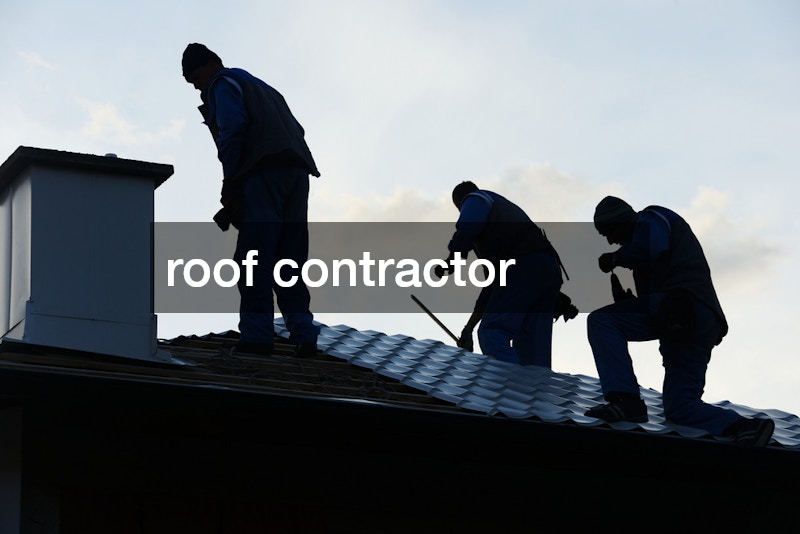
The roof is one of the most critical elements of curb appeal and exterior protection. Hiring a professional roof contractor ensures that any necessary repairs or updates are completed in the correct sequence, protecting both the interior and exterior during the renovation.
A full roof replacement may be necessary if the existing roof is aging, damaged, or mismatched with the updated exterior design. Coordinating roof work early prevents leaks that could damage framing, insulation, or newly installed finishes.
Best practices for roofing upgrades:
-
Complete structural framing before installing the new roof
-
Ensure all roof penetrations align with HVAC, plumbing, and electrical systems
-
Schedule inspections immediately after installation to confirm code compliance
-
Choose roofing materials and colors that complement the home’s overall style
A well-executed roof installation not only enhances visual appeal but also safeguards the home, allowing other exterior improvements to proceed without risk of moisture damage.
Enhance Energy Efficiency and Comfort

Improving energy efficiency can indirectly enhance curb appeal by maintaining healthier landscaping and preventing structural issues caused by moisture or temperature fluctuations. Hiring an insulation contractor ensures that walls, attics, and crawl spaces are properly sealed, reducing energy loss and protecting interior finishes.
Similarly, scheduling HVAC contractors to inspect, repair, or replace heating and cooling systems early helps maintain consistent indoor and outdoor conditions during construction. Properly functioning HVAC systems reduce condensation, prevent mold growth, and create a more controlled environment for paint, cabinetry, and landscaping work.
Tips for energy and comfort upgrades:
-
Inspect and upgrade insulation in key areas to reduce heat transfer and moisture buildup
-
Schedule HVAC maintenance or replacement before final finishes are installed
-
Coordinate mechanical work with roofing and exterior updates to prevent conflicts
By addressing energy efficiency early, homeowners protect their investment and create conditions conducive to successful exterior improvements.
Upgrade Electrical Features and Exterior Lighting
Well-planned exterior lighting not only enhances safety but also dramatically improves curb appeal. A skilled residential electrician can upgrade circuits, install new outlets, and strategically place outdoor lighting to highlight architectural features and landscaping.
Key considerations for exterior electrical work include:
-
Install energy-efficient lighting fixtures along pathways, entryways, and gardens
-
Coordinate wiring with siding, roofing, and landscaping to prevent future conflicts
-
Ensure compliance with local electrical codes and safety standards
-
Use timers, sensors, or smart systems to improve convenience and energy use
Properly designed electrical work enhances the home’s exterior presentation while integrating seamlessly with other remodeling efforts.
Refresh Exterior Surfaces and Siding
The exterior façade plays a significant role in first impressions. Hiring experienced siding services ensures that walls, trim, and architectural features are updated professionally. Working alongside a local remodeling contractor guarantees that siding improvements are integrated with other structural or utility upgrades, preventing accidental damage or misalignment.
Key steps for siding and exterior surface upgrades:
-
Select siding materials and colors that complement the home’s style
-
Coordinate siding installation with roofing, electrical, and insulation work
-
Inspect and prepare wall surfaces before installation to ensure smooth finishes
-
Plan for proper sealing and trim to protect against moisture and improve visual appeal
Well-executed siding upgrades elevate the overall appearance and provide long-term protection against weather damage.
Improve Driveways, Walkways, and Entryways
The front entry, driveway, and walkways are some of the first elements visitors notice. Coordinating work with an excavating contractor ensures that grading and base preparation are correct, providing a stable foundation for paved surfaces.
Garage doors also contribute significantly to curb appeal. Hiring a professional for garage door repair or replacement ensures functionality, security, and visual harmony with the rest of the exterior.
Actionable steps include:
-
Repair or resurface driveways and walkways to remove cracks or uneven surfaces
-
Replace or refurbish garage doors to match architectural style
-
Consider decorative materials, such as stamped concrete or pavers, for enhanced aesthetics
-
Coordinate driveway and walkway work with landscaping to maintain clean lines and functionality
A well-planned entry sequence improves first impressions while ensuring safety and durability.
Upgrade Landscaping and Outdoor Features
Landscaping is one of the most visible contributors to curb appeal. Hiring local landscaping contractors allows for professional design and implementation, including the placement of trees, shrubs, flower beds, and hardscape elements.
Best practices for landscaping improvements include:
-
Schedule planting and hardscape installation after major construction to prevent damage
-
Use mulch, decorative stone, and edging to create clean, attractive lines
-
Integrate irrigation and drainage systems to maintain plant health
-
Coordinate with exterior lighting to highlight key features at night
Thoughtful landscaping complements structural improvements, enhances property value, and creates a welcoming environment.
Final Touches and Coordination
Once structural, utility, and landscaping work is complete, the final touches ensure that all elements work together visually and functionally. Review all exterior features, including lighting, paint, siding, roofing, and landscaping, to confirm quality and cohesion.
Best practices for final coordination:
-
Walk the property with all contractors to inspect completed work
-
Address minor adjustments or touch-ups promptly
-
Schedule professional cleaning of all exterior surfaces, including windows and paved areas
-
Ensure all systems—electrical, HVAC, plumbing, and irrigation—are fully operational
Final coordination guarantees that every detail contributes positively to the overall curb appeal and ensures that investments in exterior improvements are protected.
Improving curb appeal during a home renovation requires careful planning, strategic sequencing, and collaboration with multiple skilled contractors. By evaluating the property, prioritizing exterior and structural work, coordinating utilities and finishes, and investing in landscaping and entryway enhancements, homeowners can create a visually striking and functional exterior. Every element—from roofing and siding to lighting and landscaping—works together to elevate the property’s appearance, boost value, and leave a lasting impression.
A well-organized renovation, guided by professionals and executed in the correct order, ensures that improvements are not only beautiful but durable. Thoughtful attention to detail at every stage prevents costly rework, reduces delays, and produces a cohesive, polished result that enhances both curb appeal and long-term property value.