
Every house gives off quiet warning signs long before a major problem forces its way into view. Small cracks, musty smells, and flickering lights are easy to dismiss as cosmetic quirks, but they often point to systems that are wearing out faster than the rest of the home. Catching these clues early can save you thousands of dollars and prevent a minor repair from turning into a full-blown emergency. This guide walks through the most telling signs that your house may be aging faster than you realize, room by room and system by system.
Cracks and Shifts in the Foundation
Foundations settle naturally over time, but certain patterns of cracking suggest something more serious than normal wear. Horizontal cracks, stair-step cracks in brick or block, and gaps where walls meet the ceiling are all signs that the ground beneath your home is shifting more than it should. Doors and windows that suddenly stick or no longer latch properly often share the same underlying cause. Ignoring these symptoms rarely makes them disappear, and the longer they go unaddressed, the more expensive the fix tends to become.
Water is usually the hidden culprit behind foundation trouble, especially in homes with poor grading or clogged gutters. When rainwater pools near the base of the house instead of draining away, the soil beneath the foundation expands and contracts repeatedly, accelerating cracks and settlement. A simple walk around your property after a heavy rain can reveal a lot about how well your drainage is working.
- Cracks wider than a quarter inch or that continue to grow
- Uneven or sloping floors in older sections of the house
- Gaps forming around exterior door frames
- Musty odors in the basement or crawlspace after rain
Outdated Wiring and Overloaded Circuits
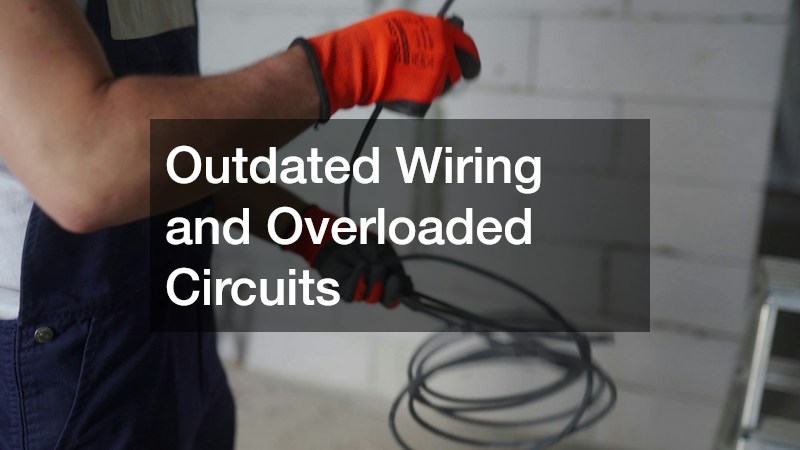
Homes built several decades ago were never designed to handle the number of devices and appliances the average household uses today. If your lights flicker when the microwave runs, or if breakers trip regularly, your electrical system may be struggling to keep up with modern demand. These issues are not just inconvenient; they can signal wiring that has degraded past the point of safe operation. Scheduling an inspection through professional electrical services is often the fastest way to know whether your panel and wiring need an upgrade before a small issue becomes a fire hazard.
Aluminum wiring, knob-and-tube systems, and outdated fuse boxes are common in houses built before the 1980s, and all three come with real safety concerns. Insurance companies increasingly flag these systems during underwriting, which can make coverage harder to secure or more expensive. Recognizing these warning signs early gives you time to plan an upgrade on your own schedule rather than reacting to an emergency.
- Frequent tripped breakers or blown fuses
- Warm or discolored outlet covers
- A persistent burning smell with no clear source
- Buzzing sounds coming from switches or outlets
Aging Pipes and Water Pressure Problems
Plumbing systems quietly age behind walls and under floors, often giving only subtle hints that trouble is brewing. Discolored water, reduced pressure, or unusual noises when you turn on a faucet can all point to corroding pipes or buildup inside older plumbing lines. Galvanized steel pipes, common in homes built before the 1960s, are especially prone to rust and narrowing over time. A licensed plumber can run a simple inspection to determine whether your pipes are nearing the end of their useful life or simply need cleaning.
Leaks are not always obvious, and some of the most damaging ones happen slowly inside walls or beneath slab foundations. A rising water bill with no clear explanation is often the first clue that something is wrong out of sight. Addressing small leaks quickly prevents mold growth, structural damage, and the kind of long-term moisture problems that are far costlier to repair than the original leak.
- Low or inconsistent water pressure throughout the house
- Rusty or discolored water from taps
- Unexplained spikes in monthly water bills
- Visible water stains on ceilings or walls
Worn Siding and Exterior Weatherproofing
Your home’s exterior takes the brunt of sun, wind, rain, and temperature swings, so it tends to show age before interior systems do. Warped, cracked, or fading siding is more than a cosmetic issue; it usually means moisture is finding its way behind the surface and compromising the insulation underneath. Bubbling paint, soft spots when pressed, and visible gaps at the seams are all signals that the protective barrier around your home is failing. Bringing in siding contractors to assess the condition of your exterior can reveal problems that are easy to miss from the ground, especially on upper stories.
Replacing siding is a significant investment, but putting it off too long often leads to more expensive repairs involving framing or insulation. Modern siding materials also offer better energy efficiency, which can offset part of the cost through lower utility bills over time. Catching deterioration early keeps the project manageable instead of letting it grow into a full exterior overhaul.
- Visible warping, cracking, or buckling panels
- Peeling paint or bubbling on exterior walls
- Soft or spongy spots when pressed gently
- Increased drafts or higher heating and cooling costs
Roof Wear and Attic Ventilation Issues
A roof’s lifespan depends heavily on material, climate, and how well the attic beneath it is ventilated. Curling, cracked, or missing shingles are the most visible signs of aging, but problems can also show up as granules collecting in gutters or daylight visible through the attic boards. Poor ventilation accelerates wear by trapping heat and moisture, which shortens the life of shingles and can warp the roof deck underneath. Regular attic checks, especially after extreme weather, help catch small issues before they turn into leaks.
- Shingles that are curling, cracked, or missing
- Sagging areas along the roofline
- Excessive granule buildup in gutters
- Signs of moisture or mold in the attic space
Energy Bills That Keep Climbing
A steady rise in heating and cooling costs is one of the clearest signs that a house is aging faster than its appearance suggests. Insulation degrades, ductwork develops leaks, and windows lose their seal over time, all of which force HVAC systems to work harder to maintain comfortable temperatures. Comparing utility bills year over year, adjusted for weather, can reveal trends that are easy to miss month to month. A home energy audit is a practical way to pinpoint exactly where the losses are coming from.
- Rooms that feel drafty or uneven in temperature
- Visible condensation between window panes
- HVAC systems running longer than they used to
- Noticeable gaps around doors, windows, or vents
Recognizing these signs early puts you in control of your home’s maintenance instead of leaving you to react to costly emergencies. Walking through each system with a critical eye, from the foundation to the roofline, helps you prioritize repairs before they escalate. Many of these issues are manageable when caught in their early stages, and professional inspections can confirm exactly what your home needs next. Taking action now protects both your investment and your peace of mind for years to come.