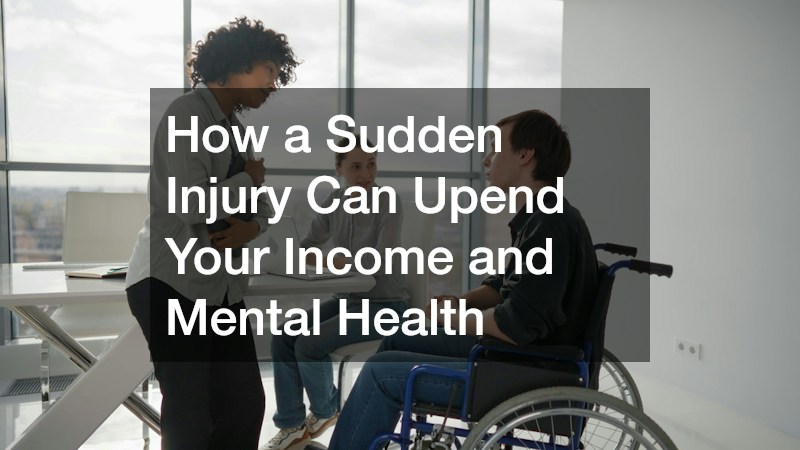
A single accident can change everything in a matter of seconds. One moment you are working, driving, or simply going about your day, and the next you are facing medical bills, missed paychecks, and an uncertain future. Beyond the physical pain, sudden injuries often bring a wave of anxiety, depression, and financial stress that can feel just as hard to manage as the injury itself. Understanding how income loss and emotional health are connected is the first step toward protecting both.
The Immediate Financial Shock of an Unexpected Injury
When an injury happens without warning, the financial fallout tends to arrive almost as fast as the pain does. Many households operate paycheck to paycheck, so even a short absence from work can mean missed rent payments, overdue utility bills, or dipping into savings meant for other goals. Medical expenses compound the problem quickly, especially if the injury requires surgery, physical therapy, or long-term care. The stress of watching bills pile up while unable to earn a normal income creates a cycle that is difficult to break without a clear plan.
- Lost wages from missed shifts or reduced work hours
- Unexpected copays, deductibles, and prescription costs
- Transportation expenses for medical appointments
- Potential loss of employer-provided benefits during extended leave
Emotional Toll That Often Goes Unspoken
Physical injuries get most of the attention, but the emotional weight of a sudden life change is just as real. Many people experience frustration, guilt, or a sense of helplessness when they can no longer contribute financially the way they used to. This emotional strain can show up as irritability, trouble sleeping, or withdrawal from friends and family. Left unaddressed, these feelings can slow physical recovery and make it harder to make clear decisions about next steps.
It helps to recognize that these reactions are a normal response to an abnormal situation, not a sign of weakness. Talking with a therapist, support group, or even a trusted friend can relieve some of the pressure. Small routines, like short walks or consistent sleep schedules, also help stabilize mood during recovery. Addressing mental health early often makes the practical steps that follow, like filing claims or returning to work, feel more manageable.
Workplace Injuries and the Road to Fair Compensation

When an injury happens on the job, there are specific protections in place to help workers recover lost wages and medical costs. However, navigating the claims process alone can be confusing, especially while also trying to heal. This is where workers compensation lawyers often become valuable, helping injured employees understand their rights and push back against denied or undervalued claims. Having professional guidance can make the difference between a fair settlement and a prolonged financial struggle.
- Documenting the injury and reporting it promptly to an employer
- Keeping detailed records of medical visits and treatment plans
- Understanding state-specific deadlines for filing a claim
- Knowing what benefits may be available beyond basic medical coverage
Long-Term Disability and Social Security Support Options
Some injuries do not resolve quickly, and workers may face months or even years before they can return to their previous job, if at all. In these cases, understanding long-term disability benefits becomes essential to maintaining financial stability. Federal programs exist to support individuals who can no longer work due to a serious medical condition, but the application process is notoriously detailed and often requires extensive medical documentation. Many applicants turn to social security attorneys when their initial claims are denied, since appeals require a strong understanding of program requirements and evidence standards.
Beyond the paperwork, the waiting period itself can be emotionally draining. Approval can take months, during which many families rely on savings, support from loved ones, or temporary assistance programs. Staying organized and proactive during this stage, rather than passive, tends to produce better outcomes and shorter delays. Keeping a simple folder of medical records, correspondence, and deadlines can prevent avoidable setbacks.
When Legal Complications Follow an Accident
Sudden injuries do not always happen in isolation. Sometimes they occur alongside other legal complications, such as a car accident where impairment or legal responsibility is in question. In these situations, the injured party may need to navigate both their own recovery and separate legal proceedings involving the other party. Cases involving alcohol or drug-related driving incidents often require specialized legal knowledge, which is why DWI attorneys are sometimes involved even when the injured person was not the one accused of wrongdoing, particularly in cases tied to compensation disputes or insurance claims.
Understanding how these legal threads connect can help injured individuals avoid unnecessary delays. Insurance companies may use ongoing criminal or legal proceedings as a reason to slow down settlement offers. Knowing your rights and staying informed about related court dates can prevent your own compensation case from becoming stalled or overlooked.
Building a Path Toward Financial and Emotional Stability
Recovery from a sudden injury is rarely a straight line, but having a structured plan can reduce both stress and uncertainty. Start by listing all sources of potential support, whether that is workplace benefits, disability programs, or personal savings. Prioritize medical recovery first, since physical healing often directly impacts how quickly a person can return to normal income levels. Reassess your financial picture regularly, adjusting your budget as new information about recovery time becomes available.
- Create a simple monthly budget reflecting reduced income
- Reach out to community resources or local assistance programs
- Schedule regular check-ins with a mental health professional
- Keep copies of all medical and financial documentation in one place
A sudden injury can disrupt far more than your daily routine, touching your finances, your relationships, and your mental well-being all at once. The good news is that support exists at every stage, from medical recovery to financial assistance to legal guidance when needed. Taking small, consistent steps toward organization and self-care can make an overwhelming situation feel more manageable. If you are currently facing this kind of unexpected setback, consider reaching out to the appropriate professionals and support systems sooner rather than later to protect both your income and your peace of mind.