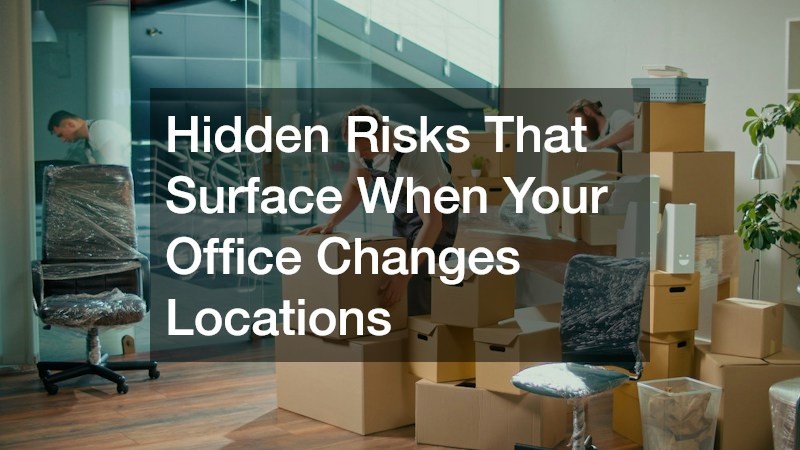
Moving an office sounds simple on paper: pack boxes, load a truck, set up desks in a new space. But beneath that straightforward checklist lies a tangle of overlooked hazards that can disrupt operations, damage property, and even expose your business to legal liability. Whether you’re relocating a five-person startup or a two-hundred-employee headquarters, understanding these hidden risks before moving day can save you thousands of dollars and weeks of lost productivity. This article walks through the less obvious dangers that tend to surface during a commercial relocation, so you can plan with your eyes open.
Structural Surprises in Older Buildings
Many businesses relocate into older commercial buildings without realizing those structures were never designed for modern office loads, including server racks, dense filing systems, or heavy manufacturing equipment. A building that looks solid on a walkthrough may have floor systems that are decades past their intended service life. Before signing a lease, it is worth asking a structural engineer or building inspector to review load capacity, especially if you plan to install anything heavier than standard furniture.
Flooring systems deserve particular attention because upgrades are often made in phases over a building’s life, leaving inconsistent support throughout. Some newer commercial buildings use composite metal decking, which combines steel decking with concrete to create a strong, lightweight floor system capable of handling higher loads than older wood or plain concrete floors. If your new space was built or renovated with this type of decking, you generally have more flexibility for heavy equipment placement, but it still pays to confirm specifications with the property manager.
Electrical and Data Infrastructure Gaps
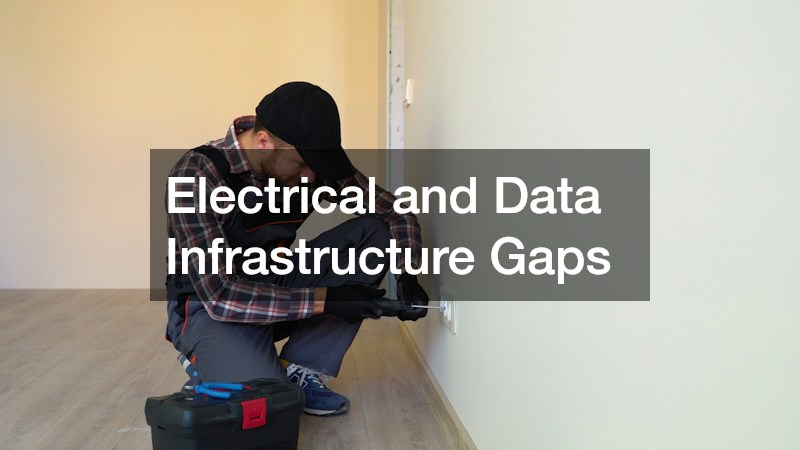
A space that looks move-in ready can still have outdated wiring, insufficient outlets, or a data infrastructure that cannot support modern bandwidth needs. Older buildings in particular may have circuits designed for 1980s office equipment, not the power draw of multiple monitors, servers, and charging stations running simultaneously. Businesses frequently discover this only after computers, phones, and printers are already plugged in and the system starts tripping breakers. Data infrastructure problems tend to surface just as quickly. A building might advertise “fiber ready” access, but that doesn’t guarantee enough drops in the right locations, sufficient conduit for future cabling, or bandwidth capacity that matches a growing headcount. Conference rooms built for phone calls rather than video meetings are a common gap, often lacking the dedicated lines or wireless access points needed for reliable connectivity. An electrical assessment before the move prevents the scramble of emergency electrician visits during your first week in the new location. This should include a walkthrough with a licensed electrician to confirm panel capacity, outlet placement relative to workstation layouts, and dedicated circuits for high-draw equipment like servers or kitchen appliances. It’s also worth asking the landlord for documentation on when the electrical and data systems were last upgraded, since this can reveal whether you’re inheriting infrastructure built for a different era of office work entirely.
Data and network readiness is just as important as power capacity, particularly for companies that rely on cloud-based tools or video conferencing throughout the day. Before signing a lease, confirm how many internet providers service the building and whether redundant circuits are available in case one connection fails. A single fiber line might look sufficient on paper but leave no backup if an outage hits during a critical client call. Electrical capacity deserves the same scrutiny. Older buildings were often wired for basic lighting and a handful of outlets, not the server racks, multiple monitors, and charging stations that modern offices require. Have an electrician assess whether the panel can handle your actual load, including any planned growth in headcount or equipment over the next few years. Running new cabling after move-in day means added downtime that affects every employee at once. What’s often overlooked is the lead time involved: structured cabling installation can take anywhere from a few days to several weeks depending on building access and permit requirements. Scheduling this work before the move, rather than scrambling afterward, keeps the first day in a new space productive instead of chaotic.
- Confirm the building’s electrical panel capacity matches your equipment load, especially if you’re bringing in servers, heavy printers, or kitchen appliances
- Test internet speeds in the actual space before committing to a lease — don’t rely on provider marketing claims or speeds from a neighboring unit
- Identify whether dedicated circuits are needed for servers, specialty equipment, or high-draw devices to avoid tripped breakers
- Ask about backup power options, such as generators or UPS systems, in case of outages
- Verify that data cabling is current (Cat6 or better) and not relying on obsolete infrastructure like old Cat5 lines
- Check the number and placement of data ports in each room to avoid costly rewiring later
- Ask whether the building supports multiple internet providers, giving you a backup option if your primary connection fails
Liability Exposure During the Physical Move
Office relocations involve more physical risk than most people expect, from heavy furniture being carried down stairwells to equipment being loaded onto trucks in tight loading docks. Injuries can happen to employees who try to help with the move, to professional movers, or even to visitors passing through a building during transition. Many business owners do not realize that liability can shift depending on who is managing the move and how responsibilities are divided between the business and the moving crew.
Hiring experienced office moving companies rather than relying on staff to self-move reduces this exposure significantly, since professional movers carry their own insurance and follow safety protocols designed to prevent injury. If an accident does occur, having clear contracts and insurance documentation in place makes the aftermath far less complicated. This is one area where cutting corners to save money often costs more in the long run.
Construction and Renovation Hazards in the New Space

If your new office requires renovation before move-in, construction activity introduces its own set of risks that can affect both workers and future occupants. Exposed wiring, unfinished flooring, scaffolding, and heavy machinery on site create conditions where accidents are more likely, especially if the timeline is rushed to meet a lease start date. Even after construction crews leave, residual issues like improperly secured fixtures or incomplete inspections can pose ongoing dangers.
When injuries do occur on a renovation site, whether to a contractor, employee, or visitor, the legal questions around responsibility can get complicated quickly. Consulting a construction accident lawyer early can help clarify who holds liability between the building owner, general contractor, and any subcontractors involved in the project. Understanding these distinctions before an incident happens puts your business in a far stronger position if a claim is ever filed.
Environmental and Safety Code Compliance
Every commercial building must meet specific fire, safety, and environmental codes, but compliance in a previous location does not automatically transfer to a new one. Different municipalities enforce different standards, and a space that passed inspection for its prior tenant’s use may not meet requirements for your industry. Overlooking this detail can lead to fines, forced closures, or costly last-minute retrofits.
Older buildings sometimes carry additional concerns such as outdated fire suppression systems, asbestos in ceiling tiles, or insufficient emergency exits for your expected occupancy. A pre-move compliance review, ideally done before signing any lease, identifies these issues while you still have room to negotiate repairs or walk away from the deal entirely.
- Confirm current fire code compliance for your specific occupancy type
- Check for required ADA accessibility accommodations
- Review emergency exit routes and capacity limits
- Ask about any environmental testing done on the building
- Verify permits are current for any prior renovations
Specialized Equipment and Industrial Neighbors
Businesses relocating near industrial parks or mixed-use commercial zones sometimes overlook how neighboring operations can affect their own space. Noise, vibration, traffic patterns, and even seasonal production cycles from nearby facilities can disrupt day-to-day office functions in ways that are hard to predict from a single site visit. It helps to visit the area at different times of day and in different seasons before finalizing a lease.
For example, a facility near a snow plow blade manufacturing operation may experience heavier truck traffic and noise spikes during the months leading into winter, which could affect deliveries, parking availability, or even noise levels during client calls. These are not dealbreakers, but they are factors worth weighing against the benefits of a lower lease rate or convenient location. Talking to current tenants in the area often reveals patterns that aren’t obvious from a brochure or listing.
Technology Downtime and Data Security Gaps
Every office move creates a window where servers, security systems, and surveillance cameras may be offline, and that gap is a bigger security risk than most businesses plan for. Sensitive files, client data, and company records can be left exposed if proper safeguards aren’t coordinated with the timeline of the physical move. Even a few hours without monitoring can be enough for theft or data loss to occur.
Building a transition plan that keeps critical systems running as long as possible, and restores them as quickly as possible at the new site, reduces this risk substantially. Coordinating with your IT provider and physical security vendor in advance, rather than treating them as separate tasks from the move itself, keeps both your digital and physical assets protected throughout the transition.
Relocating an office is rarely as simple as the moving checklist suggests, and the risks that surface along the way can affect everything from your budget to your legal standing. Taking time to evaluate the building’s structure, infrastructure, compliance status, and surrounding environment before move-in day puts you ahead of problems that catch other businesses off guard. Lean on professionals, from structural engineers to legal counsel, whenever a decision feels outside your expertise. A little extra diligence now can mean a far smoother transition into your new space.