
Your body is constantly communicating with you, but it’s easy to brush off aches, fatigue, or small changes as just part of getting older or being busy. The problem is that some signals are your body’s way of flagging something that needs real attention, not just rest and patience. Learning to tell the difference between a passing symptom and a genuine warning sign can save you from bigger health problems down the road. This guide walks through common physical and emotional signals worth paying attention to, and what steps make sense when you notice them.
Persistent Fatigue That Sleep Does Not Fix
Everyone feels tired after a long week, but fatigue that lingers for two weeks or more despite adequate sleep is a different story. This kind of exhaustion can point to thyroid issues, anemia, sleep apnea, or even early signs of depression. The key distinction is whether rest actually restores your energy or whether you wake up feeling just as drained as before. Pay attention to how the fatigue shows up, not just how long it lasts. Low thyroid function often brings along cold sensitivity, weight gain, and dry skin. Anemia tends to pair exhaustion with pale skin, shortness of breath, or dizziness when standing up quickly. Sleep apnea frequently shows up as loud snoring, morning headaches, or a partner noticing you stop breathing briefly at night.
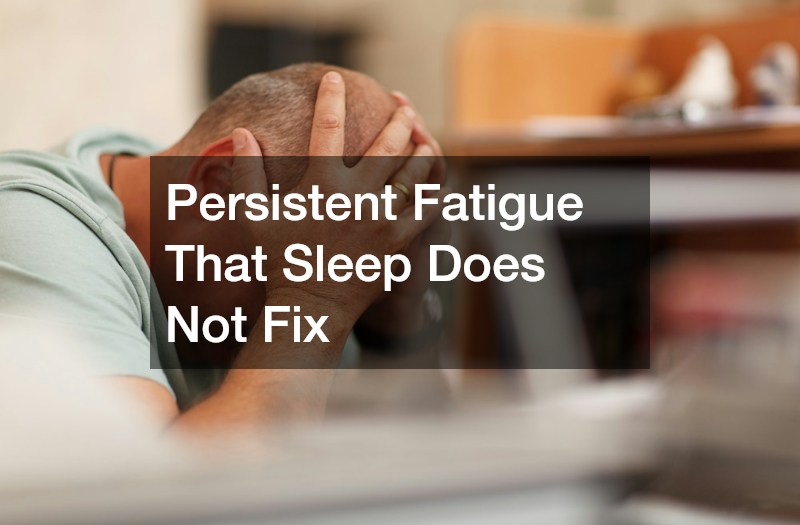
It also helps to track a few basic patterns before writing the fatigue off as stress. Note whether you’re sleeping seven to nine hours consistently, whether caffeine or naps actually help, and whether the tiredness is constant or tied to specific times of day. If you’re still exhausted after three or four weeks of solid sleep habits, that’s a reasonable point to ask a doctor for bloodwork covering thyroid levels, iron, and vitamin D, since deficiencies in any of these are common and easy to test for.
If fatigue has become your baseline rather than an occasional state, it’s worth tracking patterns before dismissing it. A week or two of simple notes can reveal more than you’d expect: what time of day the exhaustion hits hardest, whether eight hours of sleep actually leaves you rested, and whether naps help or just leave you groggier. Pay attention to triggers as well. Does fatigue worsen after meals, especially ones heavy in carbs or sugar? Does it show up after exercise that used to feel manageable, or creep in during stressful stretches at work? These details can point toward different underlying causes, from blood sugar issues to thyroid problems to chronic stress.
It also helps to note any accompanying symptoms, even ones that seem unrelated. Unexplained weight changes, persistent low mood, hair thinning, cold hands and feet, or brain fog that makes it hard to concentrate can all be meaningful clues when paired with fatigue. Jot down roughly how often these show up and how severe they feel on a simple 1-to-10 scale. That information becomes incredibly useful once you sit down with a doctor to sort out the cause. Rather than describing vague tiredness, you’ll be able to offer a timeline, specific triggers, and a cluster of symptoms, which makes it far easier to narrow down whether bloodwork, a sleep study, or another type of evaluation is the right next step.
- Fatigue lasting more than two to three weeks without improvement, even after weekends or vacations meant to recharge you
- Needing caffeine, energy drinks, or other stimulants just to function normally through a basic workday
- Falling asleep unintentionally during the day, such as nodding off in meetings, while driving, or right after meals
- Feeling physically weak rather than just mentally tired, like struggling to climb stairs or carry groceries you used to handle easily
- Sleeping 8 or more hours but still waking up exhausted, which can point to issues like sleep apnea or anemia rather than simple sleep debt
- Fatigue accompanied by other changes such as unexplained weight shifts, hair loss, or persistent muscle aches, which may signal a thyroid or autoimmune issue worth checking
Sudden Chest Pain or Shortness of Breath
Chest discomfort is one of those symptoms people love to rationalize away, blaming it on stress, indigestion, or poor posture. While those explanations are sometimes accurate, chest pain paired with shortness of breath, sweating, or pain radiating to the arm or jaw should never be ignored. These are classic signs that something urgent may be happening with your heart or lungs.
In situations like this, waiting to see if it passes is not the safest move. Heading straight to an emergency clinic allows trained staff to run tests like an EKG or bloodwork quickly, ruling out or catching serious issues before they escalate. Minutes matter with cardiac and respiratory events, and getting evaluated promptly is almost always the right call even if it turns out to be nothing serious.

Unexplained Weight Changes Without Diet Shifts
Gaining or losing a noticeable amount of weight without changing your eating habits or activity level is a signal worth investigating. Unintentional weight loss can be linked to issues with digestion, metabolism, or in some cases more serious underlying conditions. Unexplained weight gain, on the other hand, can point to hormonal imbalances, water retention from heart or kidney issues, or medication side effects.
The timeline matters here. Losing or gaining five percent of your body weight within six to twelve months without trying is generally considered significant enough to mention to a healthcare provider. Keeping a simple log of your weight every couple of weeks makes it much easier to spot these shifts before they become dramatic.
Declining Performance in Intimate Relationships
Changes in sexual function are often tied to physical health in ways people don’t expect. Difficulty with performance can stem from circulatory issues, diabetes, low testosterone, or even stress and anxiety, and it’s frequently one of the earliest visible signs of cardiovascular trouble. Because blood flow problems often show up in smaller vessels first, this symptom can actually act as an early warning system for heart disease.
Pursuing ED treatment isn’t just about addressing the immediate concern, it’s often an opportunity to catch a bigger health issue early. Doctors who evaluate this symptom typically check blood pressure, blood sugar, and cholesterol as part of the process. Addressing it openly with a medical provider tends to lead to better outcomes than trying supplements or quick fixes without understanding the root cause.
Joint Pain and Mobility Changes That Limit Daily Life
Occasional stiffness after a workout is normal, but joint pain that limits your ability to walk, climb stairs, or get up from a chair deserves closer attention. A useful rule of thumb: pain that lasts more than two weeks, or that returns every time you resume a normal activity, has moved beyond simple overuse and into territory worth investigating. Conditions like arthritis, tendon damage, or nerve compression tend to worsen without intervention, and ignoring early symptoms often means more aggressive treatment is needed later. Early-stage arthritis, for example, may respond to physical therapy and anti-inflammatory measures, while advanced joint degeneration can eventually require surgery or joint replacement — a very different scale of intervention.
Swelling, warmth, or redness around a joint are additional signs that something beyond normal wear and tear might be going on. These symptoms can point to inflammatory conditions like rheumatoid arthritis or gout, or even infection in the joint, both of which call for prompt medical evaluation rather than a wait-and-see approach. It’s also worth paying attention to patterns, not just isolated incidents. Joint pain that’s worse in the morning and loosens up during the day often suggests inflammation, while pain that worsens with activity and improves with rest tends to point toward mechanical wear. Noticing which category your symptoms fall into can help a doctor narrow down the cause faster.
Joint pain that lingers for more than a few weeks, stiffness that worsens with activity, or swelling that doesn’t subside deserves attention rather than a shrug. These symptoms can signal osteoarthritis, rheumatoid arthritis, or other inflammatory conditions, and catching them early often means more treatment options down the road. Pay particular attention if pain disrupts sleep, limits your ability to climb stairs, or makes gripping objects difficult. For people managing chronic mobility limitations, practical tools can make an enormous difference in quality of life while underlying issues are treated.
A mobility scooter, for example, allows someone with limited stamina or joint pain to stay independent and active in their community instead of staying homebound. Many models now fold for car trunks or offer longer battery ranges, so options exist for both short errands and longer outings. Beyond mobility aids, a broader support plan usually works best. Physical therapy helps strengthen the muscles around affected joints, which can reduce strain and improve range of motion over several months.
Weight management matters too, since every extra pound can add measurable pressure to knees and hips during walking. Anti-inflammatory approaches, whether through diet, medication, or targeted supplements, often round out the strategy by addressing swelling and discomfort at the source. Combining these methods tends to produce better long-term results than relying on any single approach alone. The goal isn’t just managing symptoms, but preserving as much independence and function as possible while the root cause is treated.
- Joint pain that wakes you up at night, especially if it’s a dull ache in your hips, knees, or shoulders that won’t let you get comfortable
- Swelling that doesn’t go down after a day or two, or that’s accompanied by warmth and redness around the joint
- Reduced range of motion compared to a few months ago, like difficulty fully bending your knee or raising your arm overhead
- Pain that shifts from one joint to another, sometimes called “migratory” joint pain, rather than staying in one spot
- Stiffness lasting more than 30 minutes after waking up, which can point to inflammatory conditions rather than simple overuse
- Joints that click, lock, or give way unexpectedly during normal movement like climbing stairs
Chronic Soreness, Slow Recovery, and Hormonal Shifts
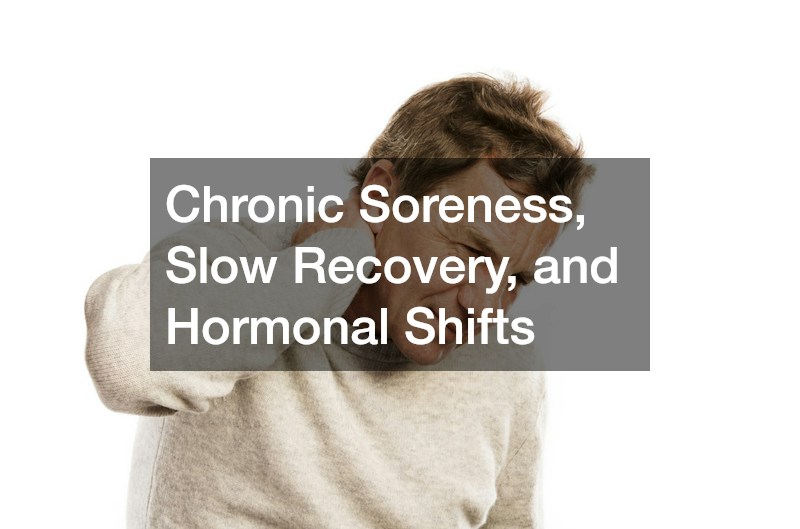
Some people notice that injuries take longer to heal, muscle soreness lingers longer than it used to, or their energy for physical activity has quietly dropped off over the years. These changes are sometimes tied to shifts in hormone levels or the body’s natural production of growth factors as people age. Rather than assuming this is simply unavoidable, it’s worth having bloodwork done to understand what’s actually changing internally.
Peptide therapy has become a topic of interest for people exploring options to support recovery, muscle repair, and overall vitality under medical supervision. It’s not a one-size-fits-all solution, and it works best when guided by a provider who reviews lab results and health history before recommending anything. Anyone considering this route should treat it the same way they would any other medical decision, with research, realistic expectations, and professional oversight.
Dependence on Substances to Function Normally
One of the harder signals to recognize in yourself or a loved one is a growing reliance on alcohol or drugs just to feel normal, manage stress, or get through the day. This can start subtly, with a drink to unwind becoming a nightly requirement, or pain medication use outlasting its original purpose. Physical signs like tremors, changes in appetite, or withdrawal symptoms when the substance isn’t available are strong indicators that something has shifted beyond casual use.
Recognizing the problem is often the hardest and most important step, and reaching out for help early tends to lead to better long-term outcomes. Drug rehab programs offer structured support ranging from outpatient counseling to full residential treatment, depending on the severity of the situation. Family involvement, honest conversations, and removing stigma around asking for help all make a meaningful difference in someone’s willingness to seek treatment.
- Needing more of a substance to get the same effect
- Failed attempts to cut back or quit on your own
- Withdrawal symptoms like shaking, nausea, or anxiety
- Neglecting responsibilities at work or home
Your body rarely stays silent when something is wrong, but it’s up to you to listen and act on what it’s telling you. Whether the signal is subtle fatigue, unexplained pain, or something more serious, the common thread is that early attention leads to better outcomes than waiting it out. Start by tracking your symptoms honestly, then take that information to a healthcare provider who can help you figure out next steps. Addressing these signals now is one of the most practical investments you can make in your long-term health.