
Random tower packing is an essential aspect of modern industrial processes, playing a critical role in improving efficiency and performance. As industries strive for better cost-efficiency and sustainability, the evolution of tower packing media has become a focal point of innovation. This article explores how next-generation random tower packing has revolutionized the market, setting a new standard by outperforming legacy media with advanced geometries and materials.
Today’s technology-driven advancements have led to the development of new packing designs that offer better mass transfer efficiency and reduced pressure drop. These technological improvements are crucial for industries seeking to optimize their operations and minimize environmental impact. Through advanced research and material science, next-gen random packing media has set benchmarks that exceed those of legacy media.
Modern Geometries in Random Tower Packing
Modern geometries in random tower packing have been engineered to optimize surface area and void fraction, which enhances the performance of distillation columns. Innovations in design have led to the creation of complex shapes that maximize surface contact while minimizing pressure drops. Such advancements result in reduced operational costs and increased throughput, facilitating more sustainable processing.
The introduction of advanced shapes such as saddle rings, cascade mini rings, and other hybrid designs has marked a significant departure from older designs like Raschig rings. These designs offer higher mechanical stability and improved liquid distribution, which are crucial in achieving cost reduction while maintaining or increasing performance efficiency. By delivering more efficient phase interaction, they enable better separation efficiency in chemical processes.
Modern random tower packing geometries also cater to diverse industry needs, from petrochemical to pharmaceuticals, by incorporating tailored solutions that adhere to specific process requirements. Each setting benefits uniquely from these geometries, allowing industries to harness the full potential of random tower packing. As such, modern geometries are a testament to the importance of design innovation in industrial applications.
The Superiority of Next-Gen Random Tower Packing
The superiority of next-gen random tower packing is apparent in its ability to outperform legacy media across several key performance metrics, such as pressure drop, efficiency, and capacity. The blend of improved design and materials results in enhanced mass transfer efficiency while ensuring lower energy consumption, making it an attractive option for modern industries. These advancements highlight the critical role that detailed engineering plays in developing high-performance packing solutions.
In industries where efficiency and cost savings are paramount, utilizing next-gen random tower packing can lead to significant gains. The improved geometries contribute to better vapor-liquid contact, reducing the height equivalent of a theoretical plate (HETP) and enhancing the overall process output. By optimizing operational performance, companies can achieve greater environmental and economic benefits, aligning with global sustainability goals.
Besides the tangible benefits in performance, next-gen packing often exhibits superior longevity and reliability in corrosive environments compared to its predecessors. With higher resistance to fouling and degradation, these new randomized structures require less frequent maintenance, which translates to reduced downtimes and associated costs. This improvement in longevity also demonstrates the sustained impact of innovative engineering in random tower packing.
Material Advancements and Their Impact
The use of cutting-edge materials in next-gen random tower packing has further cemented its place as a successor to legacy media. With advancements in material science, new media are fabricated from materials such as enhanced ceramics, metals, and high-performance polymers, offering exceptional strength and corrosion resistance. These materials are crucial in ensuring the adaptability of the packing to extreme operational environments and varying chemical processes.
Polymer-based packings, for instance, bring lightweight robustness essential for specific applications requiring minimal load on infrastructure. Their chemical resistance also opens opportunities for use in aggressive media, further broadening their application scope. These material choices lead to versatile applications, catering to various industry sectors while promoting long-lasting durability.
Incorporating innovative materials translates to packing solutions that hold up exceptionally well in harsh industrial environments, thereby extending operational life and ensuring consistent performance. The choice of material is a critical parameter that directly contributes to the enhanced performance of next-gen random tower packing compared to older media. This strategic focus on material excellence highlights the thoughtful advancement and forward-thinking in media development.
The technological strides made in tower packing design and materials not only offer competitive advantages but also align with global efforts towards sustainable industrial practices. Through innovation, industries can enhance performance while reducing their carbon footprint, exemplifying modern engineering’s role in shaping a sustainable future. Thus, next-gen random tower packing not only outperforms legacy media but sets a new benchmark for excellence in industrial efficiency and ecological responsibility.
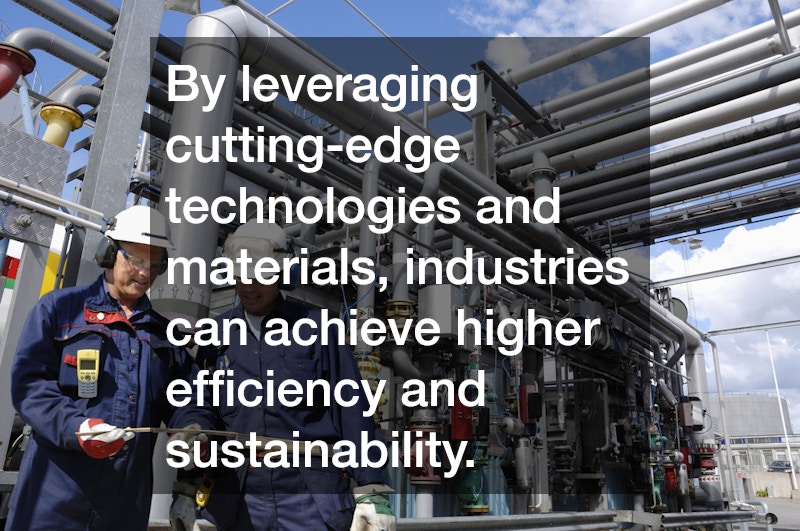
Ultimately, the re-engineering of random tower packing heralds a new era of process optimization wherein efficiency does not come at the expense of environmental consciousness. By leveraging cutting-edge technologies and materials, industries can achieve higher efficiency and sustainability, paving the way for future advancements in industrial process design and application.