
Every homeowner wants their property to hold its value, but few realize how much of that value depends on small, consistent upkeep rather than big renovations. Skipping routine maintenance often leads to costly emergency repairs, lower resale prices, and even safety hazards down the road. The good news is that protecting your investment doesn’t require a massive budget or a complete overhaul, just a proactive approach to the systems and structures that make up your home. This guide walks through the key areas to watch, so you can catch small issues before they become expensive problems.
Why Your Roof Deserves Regular Attention
Your roof is the single largest barrier between your home and the elements, and its condition affects everything from insulation to structural integrity. Small issues like cracked shingles or worn flashing can quietly let moisture in, leading to mold, rot, and damaged insulation long before you notice a leak inside. Scheduling an annual inspection with reputable roofing services can catch these problems early, often for a fraction of what a full replacement would cost. Waiting until you see a stain on your ceiling usually means the damage has already spread further than expected.
Beyond leaks, an aging or damaged roof can significantly lower your home’s appraisal value and make it harder to sell. Buyers and inspectors pay close attention to roof age and condition, and a neglected roof is one of the first red flags that can stall a sale or lead to price negotiations.
- Check for missing, curling, or cracked shingles after major storms
- Clear debris from gutters and valleys to prevent water pooling
- Look for signs of sagging, which can indicate structural issues
- Inspect attic insulation for moisture stains after heavy rain
Keeping the Exterior Walls in Good Shape
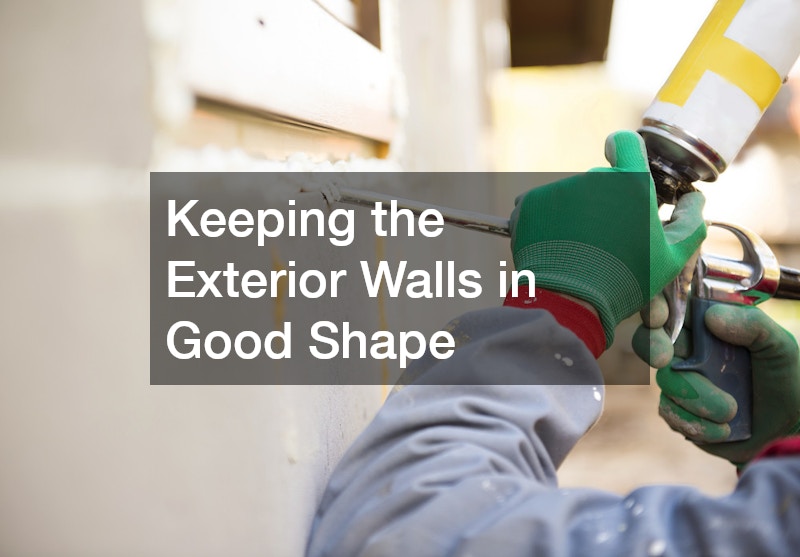
The exterior walls of your home take a constant beating from sun, wind, rain, and temperature swings, which is why their condition matters so much for long-term value. Cracked, warped, or fading exterior material doesn’t just look bad, it can allow moisture to seep behind the surface and cause hidden rot or pest infestations. Watch for telltale signs like peeling paint, small blisters or bubbles on the surface, warped boards, or a musty smell near exterior walls, since these often signal moisture problems before they become visible from the outside.
Investing in quality siding services every few years for inspection and minor repair work helps maintain a weathertight seal around your home. A thorough inspection typically checks caulking around windows and doors, loose or missing panels, and areas where siding meets the roofline or foundation, since these junctions are especially prone to leaks. Depending on the material (vinyl, fiber cement, wood, or brick), maintenance needs and lifespans vary considerably, so it’s worth knowing what your specific siding requires.
This is far less disruptive and expensive than dealing with structural repairs after water damage has spread. A minor repair might cost a few hundred dollars, while replacing rotted framing or remediating mold damage can easily run into the thousands. Catching problems early through routine checks protects both your home’s structural integrity and its resale value.
Homeowners often underestimate how much curb appeal influences perceived value, even before a buyer steps inside. Fresh, well-maintained exterior siding signals to potential buyers that the home has been cared for consistently, which can translate directly into a stronger offer.
Small issues compound quickly: peeling paint, cracked stucco, or algae streaks can shave 5-10% off a buyer’s first impression before negotiations even begin. Inspecting siding twice a year, patching hairline cracks, and repainting every 5-7 years helps prevent moisture intrusion that leads to costlier structural repairs down the line.
The Role of Windows in Comfort and Efficiency
Windows do more than let in light, they play a major role in energy efficiency, noise reduction, and overall comfort throughout the year. Older windows with worn seals or single-pane glass can drive up heating and cooling costs significantly, sometimes adding hundreds of dollars annually to utility bills. The U.S. Department of Energy estimates that inefficient windows can account for 25-30% of residential heating and cooling energy use, making them one of the biggest hidden drains on a property’s operating budget.
If you notice drafts, condensation between panes, foggy glass, or difficulty opening and closing your windows, it may be time to consider window replacement rather than continued patchwork repairs. These symptoms often signal failed seals or degraded frames that caulking and weatherstripping alone can’t fix. Waiting too long can also lead to water intrusion around the frame, which risks costlier damage to surrounding walls and trim.
Modern energy-efficient options, such as double- or triple-pane glass with low-E coatings and insulated frames, also tend to appeal strongly to buyers who are conscious of long-term operating costs. Many homeowners find that upgraded windows pay for themselves over time through reduced energy bills, improved comfort, and stronger resale positioning.
Beyond efficiency, updated windows can dramatically improve the appearance of a home’s exterior and interior alike, replacing drafty single-pane frames with sleek double- or triple-pane designs that boost curb appeal instantly. Homeowners often see energy savings of 10-15% on heating and cooling costs, plus reduced outside noise and less UV fading on floors and furniture.
This is one of those upgrades that pays for itself both in monthly savings and in resale appeal, with real estate studies showing window replacements can recoup 70-80% of their cost at resale.
Maintaining Outdoor Living and Hardscape Areas

Outdoor spaces have become a major factor in how buyers and appraisers evaluate a property, especially as more people prioritize functional living areas outside the home. A well-built deck or patio not only extends usable living space but also requires regular maintenance to prevent rot, warping, or structural instability. Working with an experienced custom deck builder ensures that any new addition or repair is built to code and designed to last through seasonal wear. Regular sealing, cleaning, and hardware checks can extend the life of these structures significantly.
Driveways, walkways, and patios also need attention, since cracked or uneven paving can create safety hazards and detract from curb appeal. A qualified paving contractor can assess whether a surface simply needs sealing and minor patching or a more complete resurfacing to prevent further deterioration.
- Reseal wood decks every one to three years depending on climate
- Watch for loose railings or soft spots in decking boards
- Fill small driveway cracks before winter freeze cycles worsen them
- Ensure proper drainage away from patios and walkways
Staying Ahead of Electrical Issues
Electrical problems are among the most serious maintenance issues because they pose direct safety risks, including fire hazards. Flickering lights, warm or discolored outlets, tripped breakers, buzzing switches, or a persistent burning smell are all signs that something needs professional attention right away. Ignoring these warning signs can allow a minor wiring fault to escalate into a costly repair or, worse, an electrical fire.
Scheduling periodic electrical repairs, especially in older homes with outdated wiring, helps ensure your system can safely handle modern appliance loads. Homes built before the 1990s often have panels rated for far less capacity than today’s households require, given the number of electronics, HVAC systems, and kitchen appliances now running simultaneously. A qualified electrician can assess whether your panel needs an upgrade, typically to 150- or 200-amp service, to keep up with current demand.
Insurance companies and home inspectors also take electrical panel age and condition seriously when evaluating a property. Certain older panel brands and fuse-based systems are frequently flagged during inspections and can even make coverage harder to obtain or more expensive. Addressing these issues proactively, rather than waiting for a lender or insurer to require it, protects both your safety and your property’s resale value.
Ignoring warning signs like flickering lights, warm outlets, tripped breakers, or a persistent burning smell doesn’t just risk safety, it can also complicate a future sale, since many buyers request an electrical inspection before closing. A home inspector who flags outdated wiring, an overloaded panel, or missing GFCI outlets in kitchens and bathrooms can stall negotiations or force last-minute price reductions.
Addressing small issues as they arise is far more manageable than a full rewiring project later. Replacing a faulty outlet or breaker typically costs under $200, while rewiring an entire house can run anywhere from $8,000 to $20,000 depending on square footage and accessibility.
It’s also worth having an electrician assess your panel every 10-15 years, especially in older homes still running on 60- or 100-amp service, since most modern households need at least 200 amps to safely handle appliances, HVAC systems, and electronics. Catching these gaps early not only protects your family from fire hazards but also preserves the resale value and marketability of the property.
Protecting Your Plumbing System
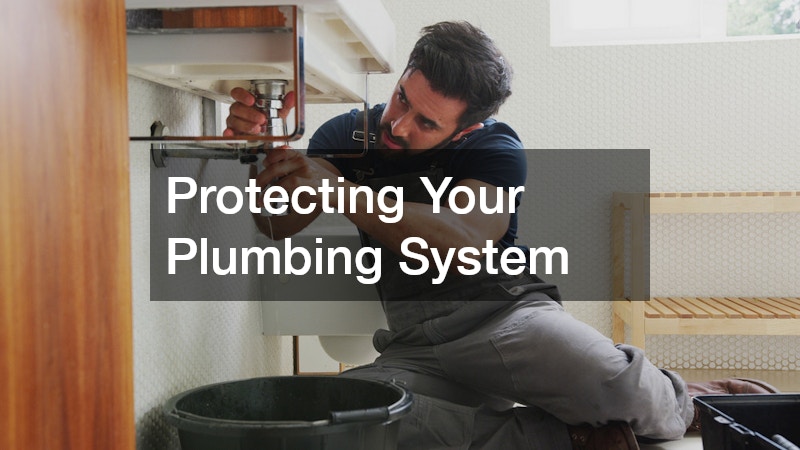
Plumbing issues tend to develop slowly, which makes regular checks especially important since small leaks can cause extensive damage before they’re noticed. Water stains, low pressure, slow drains, or unusual sounds in pipes are early indicators that something needs a closer look. Investing in occasional renovation and plumbing work, such as updating old pipes or replacing worn fixtures, can prevent sudden failures that lead to costly water damage. This is particularly important in homes with original plumbing from several decades ago, where corrosion becomes a real risk over time.
A well-maintained plumbing system also reassures potential buyers that the home has been cared for at a foundational level. Since plumbing problems are often hidden behind walls or under floors, proactive maintenance is one of the best ways to avoid surprises during a home inspection.
Updating Interior Spaces That Matter Most
While structural maintenance protects your home from damage, certain interior updates directly influence how much value buyers place on a property. Kitchens are consistently ranked as one of the most important rooms for resale value, and outdated countertops, cabinets, or appliances can make a home feel older than it is. Thoughtful kitchen remodeling doesn’t have to mean a full gut renovation, sometimes updated hardware, fresh countertops, or modern lighting can make a noticeable difference. The goal is to balance functionality with a design that will appeal to a broad range of future buyers.
It’s worth noting that over-customizing a kitchen for personal taste can sometimes work against resale value. Sticking to timeless finishes and quality materials tends to offer the best long-term return.
The Value of a Fresh, Well-Maintained Finish
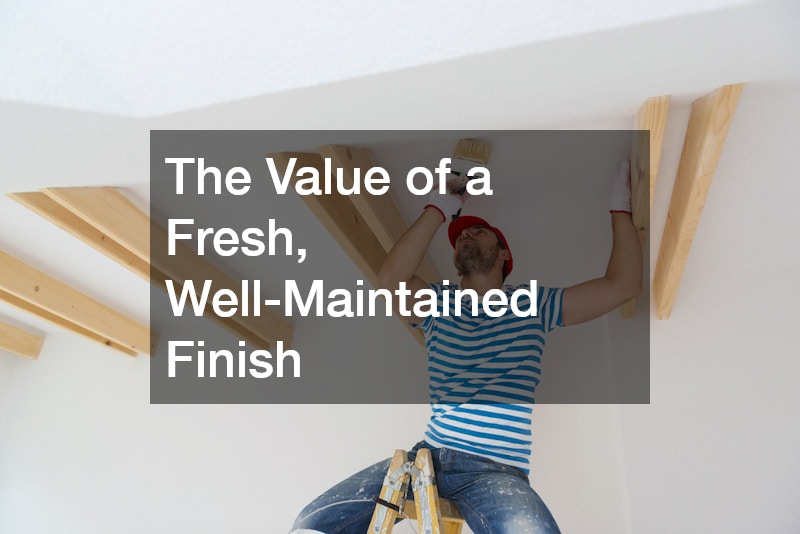
Paint might seem like a purely cosmetic concern, but it actually serves a protective function for both interior and exterior surfaces. Peeling or cracked paint on siding or trim can expose wood to moisture, leading to rot that spreads quickly if left unaddressed. Hiring professional painting services every several years helps maintain a protective barrier while also keeping the home looking fresh and well cared for. Interior painting, while less protective in nature, still plays a major role in how move-in ready a home appears to potential buyers.
Choosing durable, weather-resistant paint products for exterior surfaces can extend the time between repaints and reduce long-term maintenance costs. A well-timed paint refresh is one of the most cost-effective ways to boost a home’s appearance before listing it for sale.
Planning Ahead for Major Renovations
Sometimes maintenance alone isn’t enough, especially if a home has significant structural, layout, or design limitations that affect its usability and value. In these cases, working with professionals who specialize in building a custom home or handling large-scale renovations can help ensure additions or major changes integrate well with the existing structure. This kind of planning matters most when you’re adding square footage, reconfiguring layouts, or updating a home to meet current building codes. Rushing into major renovations without proper planning can lead to costly mistakes that actually decrease value rather than increase it.
Even if a full renovation isn’t in your immediate plans, understanding your home’s long-term potential can help you prioritize which maintenance projects matter most right now. Thinking ahead prevents you from investing in upgrades that might later need to be undone for a larger project.
Protecting your property value isn’t about tackling every project at once, it’s about staying consistent with the maintenance tasks that prevent small issues from becoming expensive ones. By paying attention to your roof, exterior walls, windows, outdoor spaces, and core systems like electrical and plumbing, you create a home that holds its value and appeals to future buyers. Interior updates and fresh finishes add further appeal, while thoughtful planning ensures any larger renovations support your long-term goals. Start by walking through your property with a critical eye, note what needs attention now, and build a simple maintenance schedule you can follow year after year.